Source Color Filled Die Cast Medal for Gifts, Awards, and Promotions
Explore 30 listings for color filled die cast medal options from Chinese manufacturers. Compare metal materials, custom plating, and die casting techniques to find suitable promotional gifts, souvenirs, and collectibles for your business needs; compare the available evidence and request quotations based on your requirements.
Key considerations
Products List




Comprehensive Sourcing Guide
Color Filled Die Cast Medal Sourcing Guide
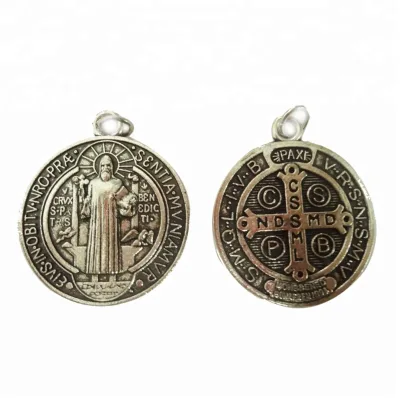
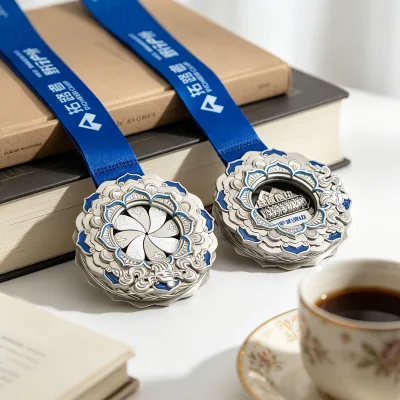
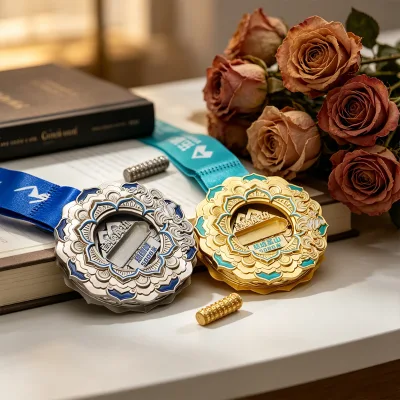
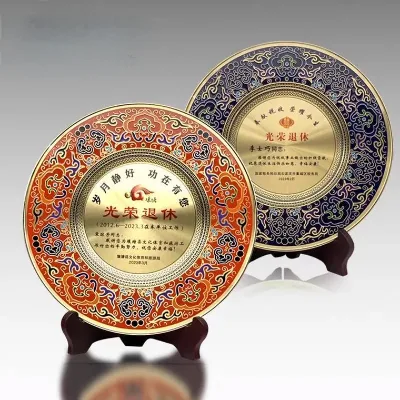
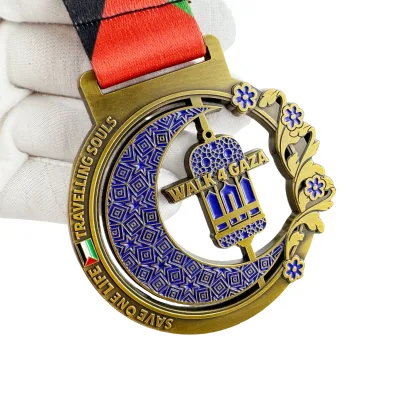
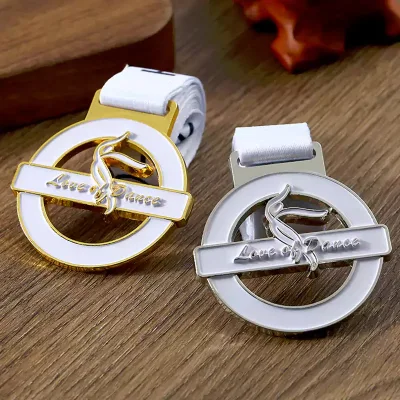
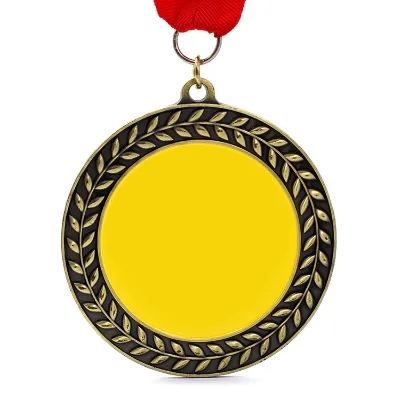
Procuring color-filled die cast medals requires distinguishing between standard metal casting and specialized enamel or epoxy filling processes. While the supplied data confirms the availability of die-cast techniques and custom plating options like antique or gold finishes, buyers must explicitly verify if the "color filled" attribute refers to enamel filling, epoxy resin, or simple paint application. The observed listings show a wide range of styles, from Catholic religious medals to sports souvenirs, indicating that the filling method must align with the specific aesthetic and durability requirements of the intended application.
Buyers should prioritize suppliers who demonstrate experience with the specific filling technique required for their project, as this significantly impacts the final product's visual depth and resistance to wear. The observed product attributes include "Casting" and "Die Casting" processes, which form the base for the medal, but the color application is a distinct secondary step. It is critical to request physical samples that clearly show the color filling method, ensuring the pigment is properly sealed within the die-cast cavities to prevent fading or chipping during promotional use or long-term display.
Product Scope and Observed Listing Signals
The market for these medals spans diverse categories, including religious items, promotional gifts, and art collectibles, as evidenced by the observed product names and styles. Listings indicate a strong presence of Catholic-themed medals with round or cross shapes, alongside sports and graduation souvenirs, suggesting that the die-cast base is highly adaptable to various thematic designs. The observed price range of 0.08 to 11.51 USD reflects significant variation based on size, material quality, and the complexity of the color filling process, requiring buyers to define their budget constraints early in the sourcing phase.
Supply capabilities appear robust, with some suppliers listing a daily capacity of 10,000 pieces, which supports large-scale promotional campaigns. However, the observed minimum order quantities (MOQ) vary widely from a single piece to 300 units, allowing flexibility for both prototyping and bulk production. Buyers must carefully review the "Packaging Details" and "Selling Units" to ensure the supplier can accommodate specific packaging needs, such as OPP bags or custom boxes, which are essential for protecting the delicate color-filled surfaces during transit.
Technical Specifications to Verify
Verifying the material composition is the first critical step, as the observed data lists both "Metal" and "Zinc Alloy" as potential bases for these medals. Zinc alloy is a common choice for die casting due to its fluidity, which allows for intricate details necessary for color filling, but buyers must confirm the specific alloy grade to ensure structural integrity and weight. The observed "Plating" options, including antique, gold-plated, and silver finishes, must be compatible with the color filling process to prevent chemical reactions that could degrade the appearance or adhesion of the applied colors.
Dimensional accuracy and finishing techniques are equally vital, as the observed listings mention "Customized Size" and "One Size" options alongside specific model numbers like PCDS1 and M-009. Buyers should request detailed technical drawings that specify the depth of the cavities intended for color filling, as insufficient depth can lead to uneven surfaces or color overflow. Additionally, the "Technique" of die casting must be paired with a reliable post-processing method for color application, ensuring that the final product meets the desired aesthetic standards for religious, sports, or corporate branding.
Compliance and Safety Documentation
Safety compliance is paramount when sourcing medals intended for general public use, particularly those with color fillings that may contain pigments or resins. While the supplied facts do not explicitly list certification statuses, buyers must demand proof of compliance with relevant safety standards for metal toys and promotional items, such as lead and cadmium limits in the plating and filling materials. This is especially important for religious medals or souvenirs that may be handled by children or worn as jewelry, where skin contact safety is a non-negotiable requirement.
Documentation regarding the origin of materials and the manufacturing process should also be scrutinized to ensure ethical sourcing and environmental compliance. The observed places of origin include Zhejiang, Jiangsu, Guangdong, and Fujian in China, regions known for metal casting but subject to varying local environmental regulations. Buyers should verify that the supplier adheres to international environmental standards for waste disposal and chemical usage, particularly regarding the solvents or binders used in the color filling process, to mitigate supply chain risks and ensure brand reputation safety.
Cost Drivers and Commercial Terms
The final cost of a color-filled die cast medal is driven by several factors, including the complexity of the die-cast mold, the type of metal used, and the labor-intensive nature of the color filling process. The observed price range suggests that simple, single-color designs are significantly more affordable than multi-color, high-detail pieces that require precise masking and multiple filling steps. Buyers must understand that the "Customized Size" and "Logo" options, while offering branding flexibility, can increase tooling costs and unit prices, necessitating a clear cost-benefit analysis before committing to a design.
Commercial terms such as MOQ and lead times vary significantly among suppliers, with some offering low MOQs of one piece while others require orders of 300 units. The observed supply ability of 10,000 pieces per day indicates that large orders can be fulfilled quickly, but buyers must confirm the actual lead time for custom molds and color filling, which can extend the production schedule. Payment terms and shipping costs, including the "Port of dispatch" in Shanghai, should be negotiated clearly to avoid hidden expenses that could erode the profit margin on promotional or retail sales.
Supplier Qualification and Quality Control
Selecting a qualified supplier requires a thorough assessment of their manufacturing capabilities and quality control protocols, particularly for the color filling stage. Buyers should verify that the supplier has a dedicated team for post-casting finishing, as the color application is a critical step that can easily introduce defects if not managed correctly. The observed "Brand Name" variations, such as Phonbon and YIXINHE, suggest a competitive market, but buyers must look beyond the brand to the actual factory audits and process controls that ensure consistency in color saturation and plating quality.
Quality control checks should include random sampling of finished medals to test for color adhesion, plating durability, and dimensional accuracy. Buyers must establish clear acceptance criteria for defects such as air bubbles in the color fill, uneven plating, or misaligned logos, which are common issues in die-cast products. Requesting a pre-production sample that undergoes the full manufacturing process is essential to validate the supplier's ability to meet the specific technical and aesthetic requirements before authorizing mass production.
Long-Term Procurement Checks
Establishing a long-term partnership with a supplier involves regular performance reviews and continuous quality monitoring to ensure consistency over time. Buyers should implement a system for tracking defect rates and customer feedback on the durability of the color filling, as these metrics will indicate whether the supplier can maintain quality standards as production volumes scale. The observed "Feature" attributes like "Durable" and "Religious" suggest that the product must withstand handling and environmental exposure, requiring ongoing verification of material integrity and finish stability.
Strategic planning for future orders should include discussions on potential design updates, material improvements, and cost optimization strategies. As the market evolves, buyers must remain agile in adjusting their specifications to incorporate new technologies or materials that enhance the product's appeal and functionality. Maintaining open communication with the supplier regarding supply chain stability and capacity planning will help mitigate risks associated with raw material shortages or production delays, ensuring a reliable supply of high-quality color-filled die cast medals for ongoing business needs.
FAQs
What materials are used for die cast medals?
Die cast medals are typically made from metal, including zinc alloy, to ensure durability and a premium finish. These materials allow for intricate designs and robust construction suitable for promotional gifts, souvenirs, and religious items. The choice of metal impacts the weight and feel of the final product, providing a solid base for plating and custom logos.
Can I customize the size of a die cast medal?
Yes, you can request customized sizes for die cast medals to fit specific branding or design needs. Manufacturers often offer flexible sizing options, allowing you to select dimensions that best suit your promotional or commemorative purposes. This customization ensures the medal aligns perfectly with your visual identity and functional requirements for events or collections.
What is the minimum order quantity for these medals?
The minimum order quantity can be as low as one piece, offering flexibility for small batches or samples. Some suppliers may require higher volumes, such as 300 pieces, depending on the production method and customization level. This range allows buyers to test designs or order larger quantities for widespread distribution without excessive initial investment.
How are die cast medals packaged for shipping?
Die cast medals are commonly packaged in OPP bags to protect them during transit and storage. This packaging method is cost-effective and ensures the items remain clean and undamaged. For bulk orders, additional protective measures may be applied to prevent scratching or tarnishing, ensuring the product arrives in pristine condition ready for distribution or gifting.
What plating options are available for metal medals?
Available plating options include antique finishes, gold-plated surfaces, and other custom colors like silver or OEM shades. These finishes enhance the aesthetic appeal and durability of the medal, protecting the base metal from corrosion. Buyers can select plating that matches their brand colors or thematic requirements, ensuring a professional and polished final appearance for any occasion.
Where are these medals typically manufactured?
These medals are typically manufactured in regions such as Zhejiang, Jiangsu, and Guangdong in China. These areas are known for their robust manufacturing infrastructure and expertise in metal casting and die casting processes. Sourcing from these locations often provides access to competitive pricing and a wide variety of customization options for bulk orders.